Serum Reviews: Best Face Serums for Every Skin Type
Face serums have become an important part of many skincare routines. From hydrating dry skin to helping improve the appearance of uneven skin tone, different serums are designed to target different skincare concerns.
But with so many ingredients, formulas, and products available, choosing the right serum can feel overwhelming.
That is where our serum reviews guide can help.
Instead of choosing a serum simply because it is popular, it is important to consider your skin type, skincare concerns, ingredients, texture, and how the product fits into your existing routine.
In this guide, we will look at different types of face serums and explain what to consider before buying one.
What Is a Face Serum?
A face serum is a skincare product formulated to deliver specific ingredients to the skin.
Compared with a moisturizer, serums are often lighter in texture and are designed to target particular concerns.
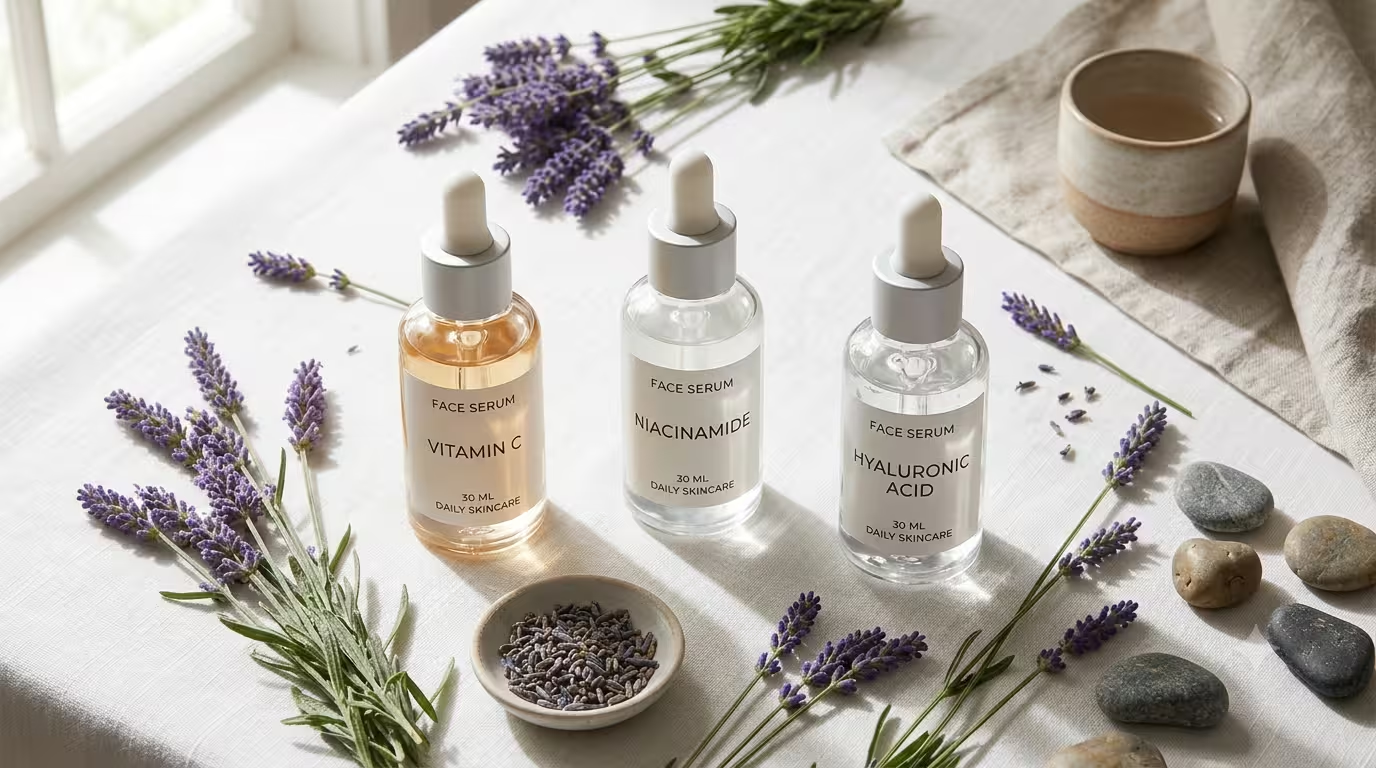
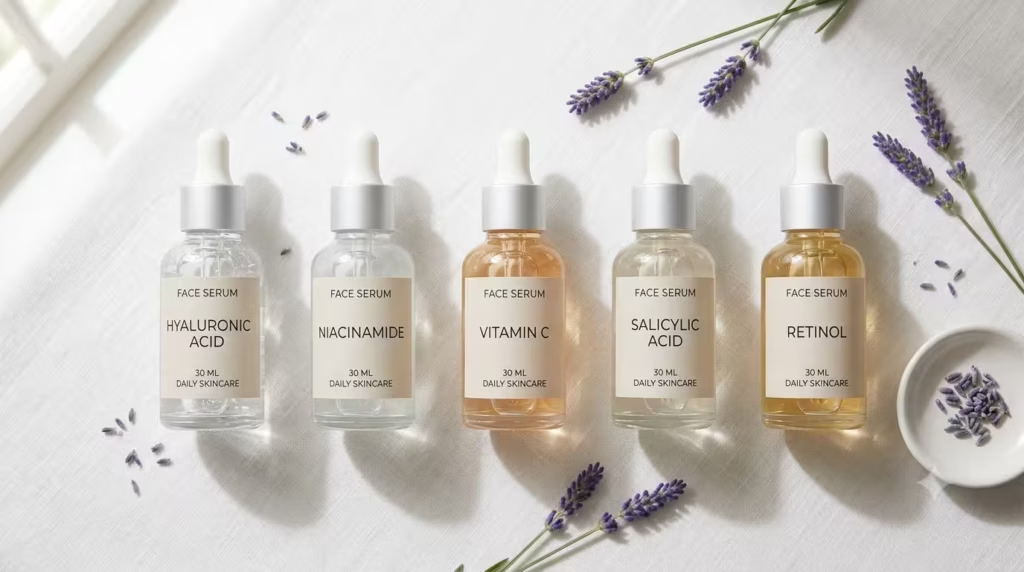
Common serum ingredients include:
- Hyaluronic acid for hydration
- Niacinamide for oil control and the appearance of uneven skin tone
- Vitamin C for antioxidant support and brightening
- Salicylic acid for blemish-prone skin
- Retinol for improving the appearance of fine lines and uneven texture
- Peptides for supporting the appearance of firmer-looking skin
The right ingredient depends on what you want your skincare routine to achieve.
How We Review Face Serums
When comparing products in our serum reviews, we look at more than just the ingredient list.
Ingredients
The ingredients are one of the most important factors. Look for ingredients that are appropriate for your specific skin concerns.
Texture
A serum should feel comfortable on your skin.
Lightweight gel or watery formulas may be preferred by oily skin, while richer hydrating formulas can be more comfortable for dry skin.
Absorption
A good serum should spread easily and fit comfortably underneath your moisturizer and sunscreen.
Skin Type
Not every serum works equally well for every skin type. A formula that works beautifully for dry skin may feel too heavy for oily skin.
Irritation Potential
Some active ingredients can cause irritation, especially when introduced too quickly. Sensitive skin may benefit from simpler formulas and gradual introduction of stronger actives.
Serum Reviews for Different Skin Types
Serum for Oily Skin
If your skin produces excess oil, a lightweight serum can be a good addition to your routine.
Look for lightweight, water-based formulas that do not leave your skin feeling excessively greasy.
Ingredients you may consider:
- Niacinamide
- Hyaluronic acid
- Salicylic acid
- Zinc-based formulations
Niacinamide is particularly popular in skincare routines for oily and combination skin.
Our tip: Avoid layering too many heavy products. A lightweight serum followed by a suitable moisturizer and sunscreen can be enough for a simple morning routine.
Serum for Dry Skin
Dry skin often benefits from ingredients that help support hydration.
Hyaluronic acid is a popular hydrating ingredient, while other moisturizing ingredients can help make the skin feel softer and more comfortable.
Look for serums with ingredients such as:
- Hyaluronic acid
- Glycerin
- Ceramides
- Panthenol
Our tip: Apply a hydrating serum to slightly damp skin and follow it with moisturizer to help support your skin barrier.
Serum for Sensitive Skin
Sensitive skin requires extra care when introducing active ingredients.
A simple hydrating serum may be a better starting point than a product containing several strong actives.
Ingredients such as hyaluronic acid, glycerin, and panthenol may be useful options depending on individual tolerance.
Our tip: Introduce one new serum at a time and patch-test new products when appropriate.
Serum for Acne-Prone Skin
If you have acne-prone skin, you may want a serum that targets excess oil, clogged pores, or blemishes.
Salicylic acid is a commonly used ingredient for blemish-prone skin because it helps exfoliate inside pores.
Niacinamide is another popular option for oily and acne-prone skin.
However, using several exfoliating or active products at once can increase the risk of irritation.
Our tip: Start slowly with active ingredients rather than adding multiple strong products to your routine at the same time.
Serum for Uneven Skin Tone
If your main concern is an uneven-looking complexion, ingredients such as vitamin C, niacinamide, and other brightening ingredients are commonly used in skincare products.
Vitamin C is also an antioxidant that can complement a daytime skincare routine.
Remember that sunscreen is essential when your goal is to maintain a more even-looking skin tone.
Popular Types of Face Serums
Hyaluronic Acid Serum
Hyaluronic acid is primarily used for hydration.
It can be a good option if your skin feels dry, tight, or dehydrated.
Best suited for: Dry, dehydrated, and normal skin.
Niacinamide Serum
Niacinamide, also known as vitamin B3, is a versatile skincare ingredient.
It is commonly used in products designed for oily skin, visible pores, uneven skin tone, and overall skin appearance.
Best suited for: Oily, combination, and normal skin.
Vitamin C Serum
Vitamin C is a popular antioxidant used in skincare products targeting dullness and uneven-looking skin tone.
It is commonly used in morning routines alongside sunscreen.
Best suited for: Dull or uneven-looking skin.
Salicylic Acid Serum
Salicylic acid is a beta hydroxy acid (BHA) commonly used in products for blemish-prone and oily skin.
Because it is an exfoliating ingredient, overuse may cause dryness or irritation.
Best suited for: Oily and acne-prone skin.
Retinol Serum
Retinol is a form of vitamin A commonly used in skincare products targeting signs of aging and uneven skin texture.It can be irritating when first introduced, so beginners should generally start gradually.
Best suited for: People targeting fine lines, uneven texture, and signs of skin aging.
Serum Comparison Checklist
Before buying a face serum, consider these factors:
| Feature | What to Consider |
|---|---|
| Skin type | Oily, dry, combination, sensitive, or normal |
| Main concern | Hydration, dullness, blemishes, texture, or signs of aging |
| Ingredients | Choose ingredients that target your concern |
| Texture | Gel, watery, lotion-like, or creamy |
| Irritation | Consider your skin’s tolerance |
| Routine | Check whether it works with your existing products |
| Price | Choose something that fits your budget |
| Usage | Follow the product’s recommended frequency |
Common Mistakes When Using Face Serums
Using too many serums
More products do not necessarily mean better results.
Layering several active serums can increase the chance of irritation.
Starting strong actives too frequently
Ingredients such as retinol and exfoliating acids may need to be introduced gradually.
Skipping moisturizer
Even if your serum is hydrating, moisturizer can still be an important part of your skincare routine.
Forgetting sunscreen
If you use active ingredients or are trying to improve the appearance of uneven skin tone, daily sun protection remains an important part of your routine.
Choosing a serum because it is trending
A viral product is not automatically the right product for your skin.
Always consider your skin type, ingredients, and individual concerns.
How to Add a Serum to Your Skincare Routine
A simple routine can look like this:
Morning:
Cleanser → Serum → Moisturizer → Sunscreen
Evening:
Cleanser → Serum → Moisturizer
The exact routine depends on the serum and its ingredients.
If you are using multiple active ingredients, check whether they can be comfortably used together. When in doubt, simplify your routine rather than layering several strong actives at once.
Final Verdict: Which Serum Should You Choose?
There is no single best face serum for everyone.
The right serum depends on your skin type and your main skincare concern.If you are targeting dullness or uneven-looking skin tone, vitamin C is another ingredient worth considering.
The key is to choose products based on your skin’s needs rather than following every new skincare trend.
Frequently Asked Questions About Face Serums
Which serum is best for beginners?
A simple hydrating serum can be an easy starting point for beginners. If you want to use a stronger active ingredient, introduce it gradually and follow the product instructions.
Can I use serum every day?
It depends on the serum and its ingredients. Hydrating serums may be suitable for frequent use, while stronger active ingredients may need to be used less often.
Can I use two serums together?
Some serums can be layered, but combining several active ingredients may increase the risk of irritation. If you are new to skincare, keeping your routine simple is often easier.
Should serum be applied before moisturizer?
Generally, serum is applied before moisturizer. However, always follow the directions provided with your specific product.
Do I need sunscreen after using a serum?
Sunscreen is an important part of a daytime skincare routine regardless of whether you use a serum. It is especially important when using certain active ingredients that can make skin more sensitive to the sun.
Final Thoughts
The best serum is not necessarily the most expensive or most popular one. It is the product that matches your skin type, addresses your concerns, and fits comfortably into your routine.
Use these serum reviews as a starting point when comparing ingredients, textures, and product types.
Before adding a new serum, introduce it gradually and give your skin time to adjust. A simple and consistent skincare routine is often more useful than using a large number of products at once.