Cleanser Reviews: Best Face Cleansers for Every Skin Type
A cleanser is one of the basic steps in a skincare routine. It helps remove dirt, excess oil, sweat, sunscreen, and other impurities that build up on the skin throughout the day.
However, not every cleanser is suitable for every skin type. A cleanser that works well for oily skin may feel too drying on dry or sensitive skin.
That is why choosing a cleanser based on your skin type and skincare needs is important.
In this cleanser reviews guide, we look at different types of face cleansers, their key ingredients, textures, and what to consider before adding one to your routine.
What Is a Face Cleanser?
A face cleanser is a skincare product designed to clean the skin and remove substances such as excess oil, dirt, sweat, makeup, and sunscreen.
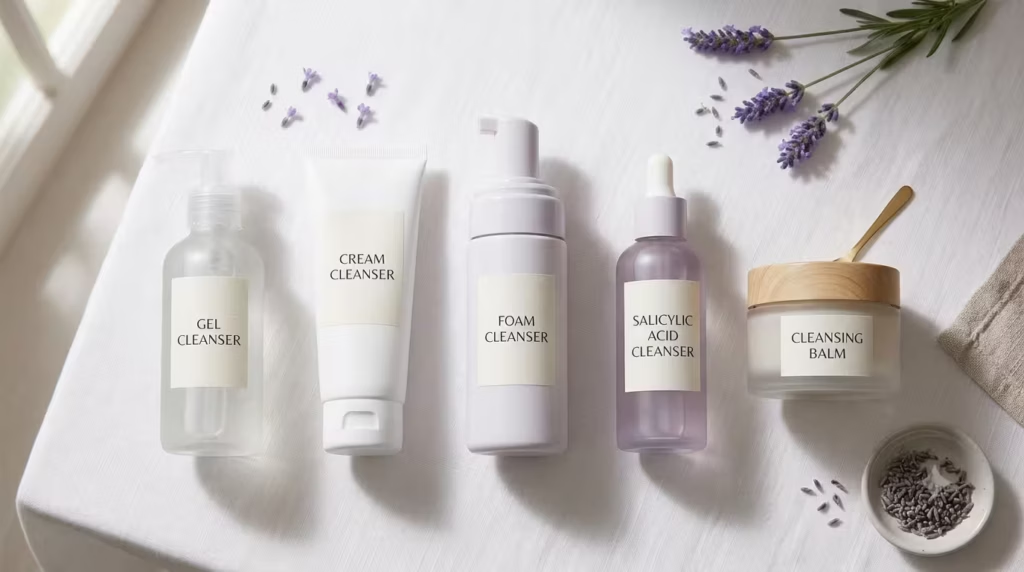
Cleansers come in different forms, including:
- Gel cleansers
- Cream cleansers
- Foam cleansers
- Oil cleansers
- Cleansing balms
- Micellar water
Each type can offer a different experience depending on your skin type and cleansing needs.
How We Review Face Cleansers
When comparing products for our cleanser reviews, we look at several factors.
Cleansing Ability
A good cleanser should effectively remove everyday buildup without leaving your skin feeling uncomfortably stripped.
Texture
The texture affects how enjoyable a cleanser is to use.
Gel and foam cleansers can feel refreshing, while cream and balm cleansers can feel more comfortable on dry skin.
Skin Type
Your skin type is one of the most important factors to consider when choosing a cleanser.
Ingredients
Ingredients can give you an idea of what a cleanser is designed to do.
Common ingredients include:
- Glycerin for hydration
- Ceramides for supporting the skin barrier
- Salicylic acid for blemish-prone skin
- Hyaluronic acid for hydration
- Aloe vera for a soothing skincare experience
After-Feel
Pay attention to how your skin feels after cleansing.
If your skin feels excessively tight, dry, or uncomfortable, the cleanser may not be the right match for you.
Cleanser Reviews for Different Skin Types
Cleanser for Oily Skin
Oily skin may benefit from a cleanser that effectively removes excess oil without excessively drying the skin.
Gel and lightweight foaming cleansers are popular choices for oily and combination skin.
Ingredients such as salicylic acid may also be useful for people concerned about clogged pores and blemishes.
Our tip: Avoid washing your face excessively in an attempt to remove all oil. Over-cleansing can leave your skin feeling dry and irritated.
Cleanser for Dry Skin
Dry skin often feels more comfortable with a gentle, moisturizing cleanser.
Cream and lotion-style cleansers can be good options if your skin tends to feel tight after washing.
Look for ingredients such as:
- Glycerin
- Ceramides
- Hyaluronic acid
- Panthenol
Our tip: Use lukewarm rather than very hot water when cleansing your face.
Cleanser for Sensitive Skin
Sensitive skin may benefit from a simple cleanser with a gentle formula.
Avoid ingredients that you already know irritate your skin and look for products designed for gentle cleansing.
A cleanser does not need to create a lot of foam to clean your skin effectively.
Our tip: Keep your cleansing routine simple and avoid aggressive scrubbing.
Cleanser for Acne-Prone Skin
If you have acne-prone skin, you may prefer a cleanser containing ingredients such as salicylic acid.
Salicylic acid is a BHA commonly used in products for oily and blemish-prone skin.
However, using several exfoliating products at the same time may increase dryness or irritation.
Our tip: If your cleanser contains an active ingredient, follow the product instructions and monitor how your skin responds.
Popular Types of Face Cleansers
Gel Cleanser
Gel cleansers generally have a lightweight texture and can provide a refreshing cleansing experience.
They are often preferred by people with oily or combination skin.
Best suited for: Oily, combination, and normal skin.
Cream Cleanser
Cream cleansers tend to have a richer texture and can be a comfortable option for dry skin.
They are often formulated with moisturizing ingredients.
Best suited for: Dry, normal, and sensitive skin.
Foaming Cleanser
Foaming cleansers create a lather during cleansing.
Some people enjoy their fresh, clean feeling, although formulas vary significantly.
Best suited for: Oily and combination skin, depending on the formula.
Salicylic Acid Cleanser
Salicylic acid cleansers are designed to provide cleansing alongside gentle chemical exfoliation.
They are commonly used by people with oily or blemish-prone skin.
Best suited for: Oily and acne-prone skin.
Oil Cleanser
Oil cleansers can help dissolve makeup, sunscreen, and oil-based impurities.
They are often used as the first step in a double-cleansing routine.
Best suited for: Most skin types, depending on the specific formula.
Cleansing Balm
Cleansing balms have a solid or semi-solid texture that melts when massaged onto the skin.
They are commonly used to remove makeup and sunscreen.
Best suited for: Dry, normal, and combination skin, depending on the formula.
Cleanser Comparison Checklist
Before buying a cleanser, consider:
| Feature | What to Consider |
|---|---|
| Skin type | Oily, dry, combination, sensitive, or normal |
| Cleanse level | Gentle or deeper cleansing |
| Texture | Gel, cream, foam, oil, or balm |
| Ingredients | Match them to your skincare concerns |
| Fragrance | Consider your personal tolerance |
| After-feel | Avoid excessive tightness or dryness |
| Makeup removal | Consider an oil cleanser or balm if needed |
| Price | Choose a cleanser that fits your budget |
Common Cleanser Mistakes to Avoid
Washing your face too often
Cleansing excessively can contribute to dryness and irritation.
Using very hot water
Very hot water can make your skin feel dry and uncomfortable.
Scrubbing aggressively
Your cleanser should not require vigorous rubbing to clean your face.
Choosing a cleanser only because it foams
A lot of foam does not automatically mean a cleanser is better.
Ignoring how your skin feels afterward
If your skin consistently feels tight or uncomfortable after cleansing, consider whether the formula is too harsh for you.
Using the same cleanser for every situation
You may prefer a different cleanser in the morning and evening depending on your skin type and the products you wear during the day.
How to Use a Face Cleanser
A basic cleansing routine is simple:
- Wet your face with lukewarm water.
- Apply a small amount of cleanser.
- Gently massage it over your face.
- Rinse thoroughly.
- Pat your skin dry with a clean towel.
- Follow with your toner, serum, moisturizer, or other skincare products.
Avoid rubbing or scrubbing your skin aggressively.
Do You Need to Double Cleanse?
Double cleansing generally involves using an oil-based cleanser or cleansing balm first, followed by a water-based cleanser.
It can be useful for removing makeup, sunscreen, and excess oil at the end of the day.
However, double cleansing is not necessarily required for everyone.
If a single gentle cleanser effectively cleans your skin, you may not need two cleansing steps.
Final Verdict: Which Cleanser Should You Choose?
There is no single best face cleanser for everyone.
Oily skin may prefer a lightweight gel cleanser, while dry skin may feel more comfortable with a cream cleanser. Acne-prone skin may benefit from a cleanser containing salicylic acid, while sensitive skin often does better with a simple gentle formula.
The most important thing is to choose a cleanser that cleans your skin without leaving it feeling excessively dry, tight, or irritated.
Frequently Asked Questions About Face Cleansers
Which cleanser is best for oily skin?
A lightweight gel cleanser can be a good option for oily skin. Products containing salicylic acid may also be useful for some people with oily or blemish-prone skin.
Which cleanser is best for dry skin?
A gentle cream or moisturizing cleanser may be more comfortable for dry skin. Look for hydrating ingredients such as glycerin and ceramides.
Can acne-prone skin use a cleanser every day?
Yes. Cleansing is an important part of a skincare routine, but avoid excessively washing or scrubbing your skin.
Is a foaming cleanser bad for dry skin?
Not necessarily. It depends on the formula. Some foaming cleansers can be gentle, while others may feel drying. Pay attention to how your skin feels after cleansing.
Should I cleanse my face in the morning?
Many people cleanse in the morning and evening, but the ideal routine depends on your skin type and personal preference.
Can I use a cleanser to remove sunscreen?
Some cleansers can effectively remove sunscreen, while others may work better as part of a double-cleansing routine. Follow the product instructions and consider your sunscreen formula.
Final Thoughts
Choosing the right cleanser is about finding a balance between effective cleansing and maintaining comfortable skin.
Instead of choosing a product simply because it is popular, consider your skin type, ingredients, texture, and how your skin feels after use.
We hope these cleanser reviews help you compare different formulas and find a cleanser that works well for your skincare routine.
A good cleanser does not need to leave your skin feeling extremely tight or “squeaky clean.” Clean, comfortable skin is the goal.