Best Face Toners for Different Skin Types: How to Choose the Right One
Toner is one of those skincare products that can either become a useful part of your routine or simply add another unnecessary step. The right toner can help hydrate the skin, balance excess oil, calm irritation, or provide gentle exfoliation depending on its ingredients.
But with so many toners available, choosing one can feel confusing. Should you use a hydrating toner, an exfoliating toner, or one designed specifically for oily or acne-prone skin?
The answer depends largely on your skin type and your main skin concerns.
In this guide, we’ll explain what toner does, how to choose one for your skin type, which ingredients to look for, and common mistakes to avoid.
What Is a Face Toner?
A face toner is a lightweight skincare product that is usually applied after cleansing and before serum or moisturizer.
Modern toners are very different from the harsh, alcohol-heavy formulas that were once commonly used. Today, many toners focus on hydration, soothing, barrier support, or gentle exfoliation.
Think of toner as an optional step that can complement your skincare routine rather than something everyone absolutely needs.
Do You Really Need a Toner?
Not necessarily.
A good cleanser, moisturizer, and sunscreen can already form the foundation of a simple skincare routine. However, a toner can be useful if you have a specific goal.
For example:
- Dry skin: A hydrating toner can add lightweight moisture.
- Oily skin: A toner with ingredients such as niacinamide may help manage excess oil.
- Acne-prone skin: Certain exfoliating toners containing salicylic acid can help unclog pores.
- Sensitive skin: A simple, fragrance-free soothing toner may help reduce the feeling of dryness or tightness.
- Dull skin: Gentle exfoliating ingredients can help improve the appearance of uneven texture.
The important thing is to choose the formula based on what your skin actually needs.
Best Toner Ingredients to Look For
Instead of choosing a toner based only on its marketing claims, check the ingredient list.
Hyaluronic Acid
Hyaluronic acid is a humectant that helps attract and retain water, making it a popular ingredient in hydrating toners.
It can be especially useful for skin that feels dehydrated or tight after cleansing.
Niacinamide
Niacinamide, also known as vitamin B3, is a versatile skincare ingredient. It can support the skin barrier and may help improve the appearance of excess oil and uneven skin tone.
Aloe Vera
Aloe vera is commonly used in soothing skincare products. It can be a good option when you’re looking for a lightweight toner designed to leave the skin feeling refreshed.
Ceramides
Ceramides are naturally occurring lipids that help support the skin barrier. A toner containing ceramides can be useful for people who prefer a more barrier-focused routine.
Salicylic Acid
Salicylic acid is a beta hydroxy acid (BHA) that can penetrate into oily pores. It is commonly found in products designed for oily and acne-prone skin.
However, using too many exfoliating products at once can irritate the skin, so start slowly.
Glycolic Acid and Other AHAs
Alpha hydroxy acids such as glycolic acid can help exfoliate the skin’s surface and improve the appearance of rough or uneven texture.
These are generally better suited to people who want exfoliation rather than simply hydration.
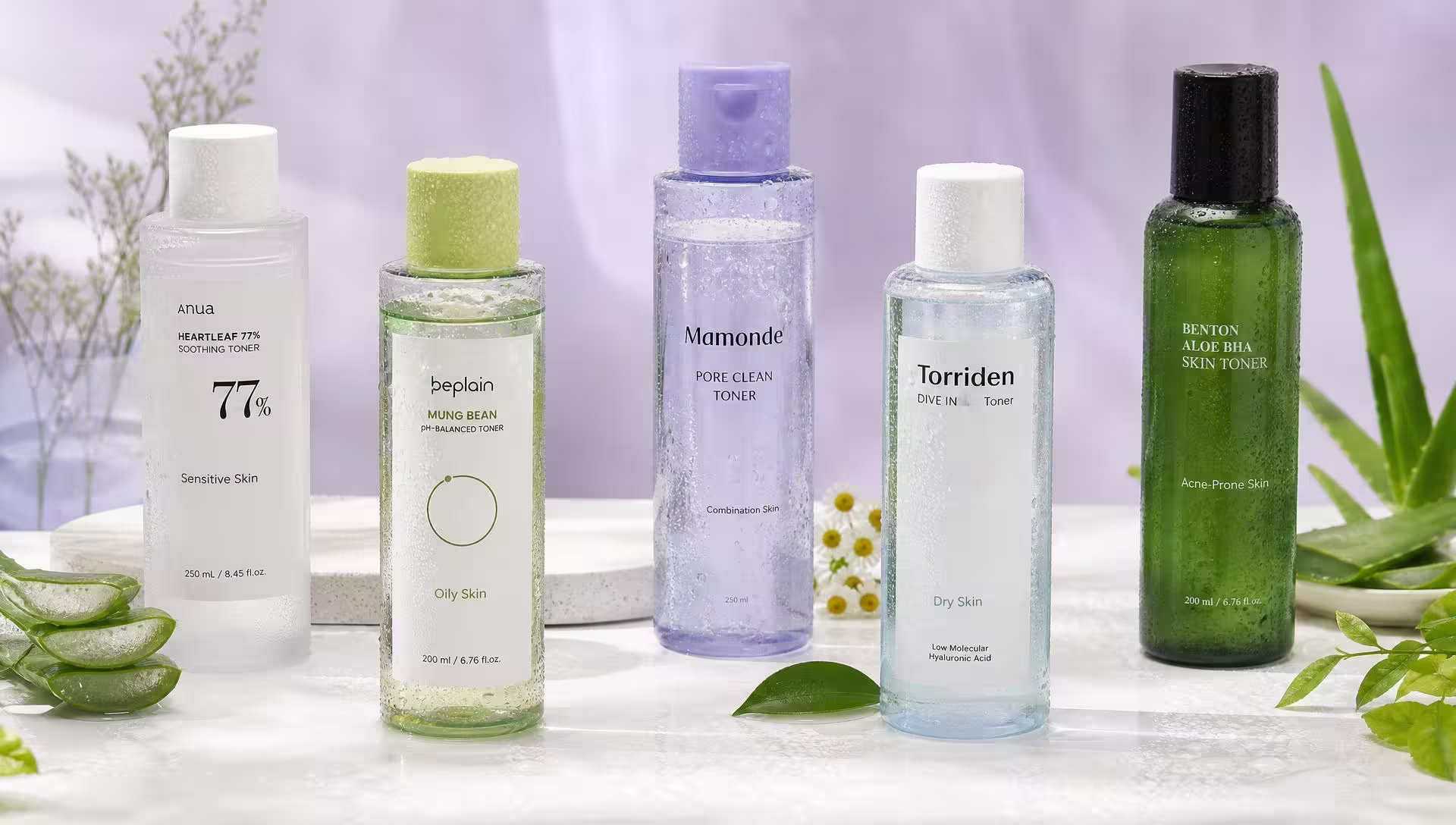
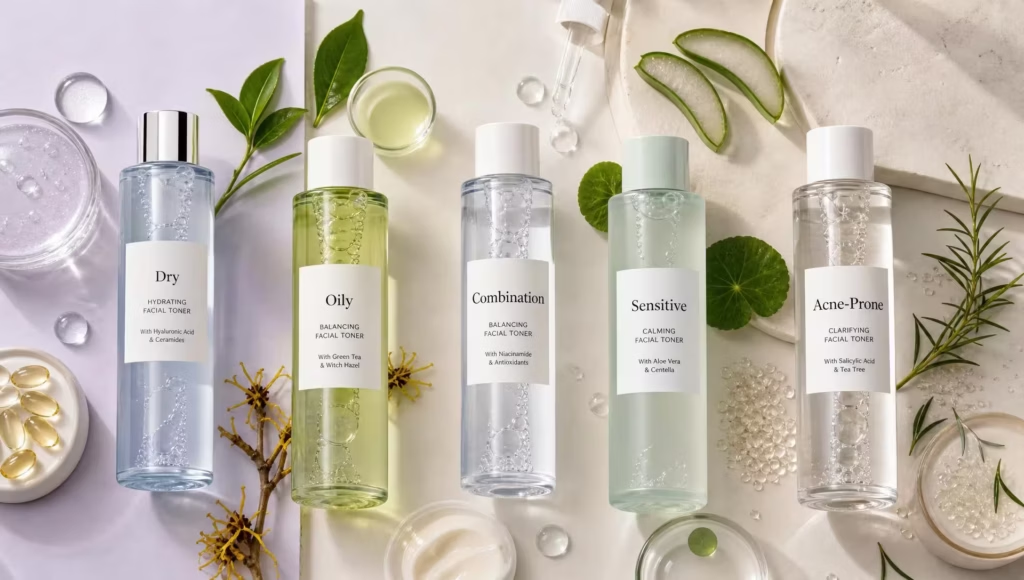
How to Choose a Toner for Your Skin Type
Toner for Dry Skin
If your skin often feels tight, flaky, or uncomfortable after cleansing, look for a hydrating toner.
Ingredients such as hyaluronic acid, glycerin, panthenol, and ceramides can be useful.
Try to avoid formulas that leave your skin feeling stripped or excessively dry.
Look for:
Hyaluronic acid, glycerin, panthenol, ceramides, aloe vera.
Toner for Oily Skin
Oily skin usually benefits from lightweight formulas that don’t leave a heavy or greasy feeling.
Niacinamide can be a useful ingredient, while salicylic acid may be worth considering if clogged pores and blackheads are a concern.
You don’t need an extremely harsh toner to control oil. Over-drying the skin can make your routine more irritating.
Look for:
Niacinamide, salicylic acid, green tea, lightweight hydrating ingredients.
Toner for Combination Skin
Combination skin can be tricky because some areas may become oily while others feel dry.
A gentle balancing or hydrating toner is often a better starting point than using a strong exfoliating toner across the entire face.
Look for:
Niacinamide, glycerin, panthenol, hyaluronic acid.
Toner for Sensitive Skin
Sensitive skin generally benefits from a simple formula with fewer potential irritants.
Look for fragrance-free products containing soothing and barrier-supporting ingredients.
Avoid immediately jumping into strong acid toners if your skin is easily irritated.
Look for:
Panthenol, aloe vera, centella asiatica, glycerin, ceramides.
Toner for Acne-Prone Skin
If clogged pores and breakouts are your main concerns, an exfoliating toner containing salicylic acid may be useful.
However, more active ingredients aren’t necessarily better. Start with a lower frequency and see how your skin responds.
Look for:
Salicylic acid, niacinamide, soothing ingredients.
How to Use Toner in Your Skincare Routine
Using toner is simple.
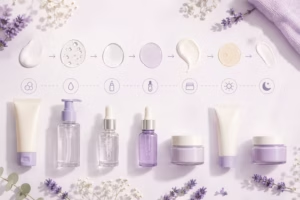
Step 1: Cleanse your face with a gentle cleanser.
Step 2: Apply toner to clean skin. You can gently pat it in with clean hands or use a cotton pad if the product instructions recommend it.
Step 3: Apply your serum or treatment product.
Step 4: Follow with moisturizer.
Step 5: In the morning, finish with a broad-spectrum sunscreen.
You don’t necessarily need to wait several minutes between every skincare step. Once one product has settled comfortably on your skin, you can generally move on to the next step.
Common Toner Mistakes to Avoid
Using Toner Because You Think You Have To
Toner isn’t an essential product for everyone. If your basic routine already works well, you don’t need to add one simply because skincare routines online include it.
Choosing a Toner Based Only on “Pore-Tightening” Claims
Your pores don’t permanently open and close like doors. Some ingredients can make pores appear less noticeable by reducing oil or improving skin texture, but a toner cannot permanently shrink your pores.
Overusing Exfoliating Toners
Using an AHA or BHA toner too frequently can lead to dryness, irritation, or a damaged-feeling skin barrier.
Introduce exfoliating products gradually rather than using them every day from the beginning.
Using Multiple Strong Actives Together
If you’re already using exfoliating acids, retinoids, or other active treatments, adding another strong exfoliating toner may be unnecessary.
A simple hydrating toner can sometimes be the better choice.
Toner vs. Essence: What’s the Difference?
The terms can overlap because skincare brands don’t use them in exactly the same way.
Generally, toners tend to be lightweight products used after cleansing, while essences are often formulated with a stronger focus on hydration and skin-conditioning ingredients.
However, there isn’t a universal rule separating the two.
The ingredient list and formula matter more than the name printed on the bottle.
Can You Use Toner Every Day?
It depends on the type of toner.
A gentle hydrating toner can generally be used daily if your skin tolerates it.
Exfoliating toners containing ingredients such as salicylic acid, glycolic acid, or lactic acid may need to be used less frequently.
If your skin starts feeling unusually dry, tight, burning, or irritated, reduce the frequency or stop the product and simplify your routine.
Final Thoughts
The best toner isn’t necessarily the most expensive or the one with the longest ingredient list. It’s the one that fits your skin type, concerns, and overall skincare routine.
If your skin is dry, focus on hydration. If you’re oily or prone to clogged pores, consider lightweight formulas with ingredients such as niacinamide or salicylic acid. For sensitive skin, keep things simple and prioritize soothing, barrier-friendly ingredients.
And remember—you don’t need a toner just because it’s a popular skincare step. A simple routine that works consistently for your skin is usually more valuable than a complicated one filled with unnecessary products.
Frequently Asked Questions
Which toner is best for beginners?
A gentle, hydrating toner is usually the easiest place to start, especially if you don’t have a specific skin concern that requires exfoliation.
Is toner good for oily skin?
Yes. A lightweight toner containing ingredients such as niacinamide may complement an oily-skin routine. Salicylic acid can also be useful when clogged pores are a concern.
Can toner cause acne?
A toner itself doesn’t automatically cause acne, but a particular formula may irritate your skin or contain ingredients that don’t work well for you. If you’re acne-prone, choose a non-comedogenic, gentle formula where possible.
Should toner be used before or after serum?
Toner is generally applied after cleansing and before serum.
Can I skip toner?
Yes. Toner is an optional skincare step. A cleanser, moisturizer, and sunscreen can form the basic foundation of a skincare routine.