How to Build a Simple Skincare Routine for Beginners
Starting a skincare routine can feel overwhelming. With so many cleansers, serums, moisturizers, exfoliators, and treatments available, it can be difficult to know what you actually need.
The good news is that you do not need a 10-step routine to have healthy-looking skin. A simple skincare routine built around a few essential products can be enough for most beginners.
The key is to understand your skin type, identify your main concerns, choose suitable products, and introduce new ingredients slowly.
In this guide, we’ll explain how to build a simple skincare routine for beginners, including what products you need, the correct order to apply them, and common mistakes to avoid.
What Is a Basic Skincare Routine?
A basic skincare routine usually has three essential steps:
- Cleanse
- Moisturize
- Protect with sunscreen
These steps create the foundation of a skincare routine.
Once your skin is comfortable with these basics, you can add targeted products such as serums or treatments based on specific concerns.
You don’t need to buy multiple products immediately. Starting simple makes it easier to understand how your skin responds.
Step 1: Understand Your Skin Type
Before choosing skincare products, try to understand your skin type.
The most common skin types are:
- Oily skin: Produces more oil and may look shiny, especially around the forehead, nose, and chin.
- Dry skin: Often feels tight, rough, or flaky.
- Combination skin: Has both oily and dry areas.
- Normal skin: Generally balanced without significant dryness or oiliness.
- Sensitive skin: Easily becomes irritated, red, itchy, or uncomfortable.
Your skin type can change with weather, hormones, age, medications, and other factors, so don’t feel that you have to fit perfectly into one category.
Step 2: Choose a Gentle Cleanser
A cleanser removes excess oil, sweat, dirt, sunscreen, and other impurities from your skin.
As a beginner, look for a gentle cleanser that does not leave your skin feeling extremely tight or stripped after washing.
For oily skin
A lightweight gel or foaming cleanser may feel comfortable.
For dry skin
A creamy, hydrating cleanser may be a better choice.
For sensitive skin
Choose a gentle, fragrance-free cleanser and avoid unnecessarily harsh ingredients.
You usually do not need to wash your face repeatedly throughout the day.
Step 3: Add a Moisturizer
Moisturizer helps maintain hydration and supports the skin barrier.
Even if you have oily or acne-prone skin, moisturizing can still be important. Instead of skipping moisturizer, choose a lightweight formula that feels comfortable on your skin.
Oily skin
Look for lightweight gels or lotions.
Dry skin
Cream-based moisturizers may provide more comfortable hydration.
Sensitive skin
Simple formulas containing barrier-supporting ingredients such as ceramides can be useful.
Step 4: Make Sunscreen a Daily Habit
If you only add one protective product to your daytime routine, sunscreen should be high on your list.
Sun exposure contributes to sunburn, pigmentation, and premature skin aging.
Choose a broad-spectrum sunscreen that you enjoy using consistently.
If you spend extended periods outdoors, sweating, swimming, or wiping your face, sunscreen may need to be reapplied according to the product’s instructions.
Step 5: Add a Serum Only If You Need One
Once you have established your basic routine, you can consider adding a serum.
But don’t choose a serum simply because it is trending. Choose one based on your specific skincare concern.
For excess oil and uneven-looking skin
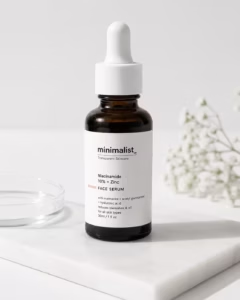
Niacinamide may be useful for supporting the skin barrier and helping regulate excess oil.
For hydration
Hyaluronic acid can help increase hydration when used as part of a suitable skincare routine.
For uneven skin tone
Ingredients such as vitamin C or azelaic acid may help with certain pigmentation concerns.
For acne
Ingredients such as salicylic acid can be useful for some people with acne-prone skin.
You don’t need several serums. One targeted product is enough to start.
Step 6: Introduce Active Ingredients Slowly
This is one of the most important skincare tips for beginners.
Active ingredients can be beneficial, but introducing several of them at once can increase the risk of irritation.
For example, don’t start a new retinoid, exfoliating acid, vitamin C serum, and acne treatment all in the same week.
Instead:
- Introduce one new product.
- Use it according to its instructions.
- Give your skin time to adjust.
- Monitor for irritation.
- Add another product only if necessary.
This also makes it easier to identify which product is causing a reaction if your skin becomes irritated.
Simple Morning Skincare Routine for Beginners
A simple morning routine can be:
1. Cleanser
Gently cleanse your skin.
2. Serum
Optional. Use a targeted serum if needed.
3. Moisturizer
Apply according to your skin’s hydration needs.
4. Sunscreen
Finish with broad-spectrum sunscreen.
You can keep the routine even simpler:
Cleanser → Moisturizer → Sunscreen
That is perfectly fine for a beginner.
Night Skincare Routine for Beginners
Your nighttime routine can be:
1. Cleanser
Remove sunscreen, makeup, sweat, and excess oil.
2. Treatment or serum
Optional. Use one targeted product if needed.
3. Moisturizer
Finish with a moisturizer to support hydration and the skin barrier.
If you wear makeup or water-resistant sunscreen, you may want to use a cleansing balm, cleansing oil, or micellar water before your regular cleanser.
Skincare Routine Order
A common beginner question is: What order should I apply skincare products?
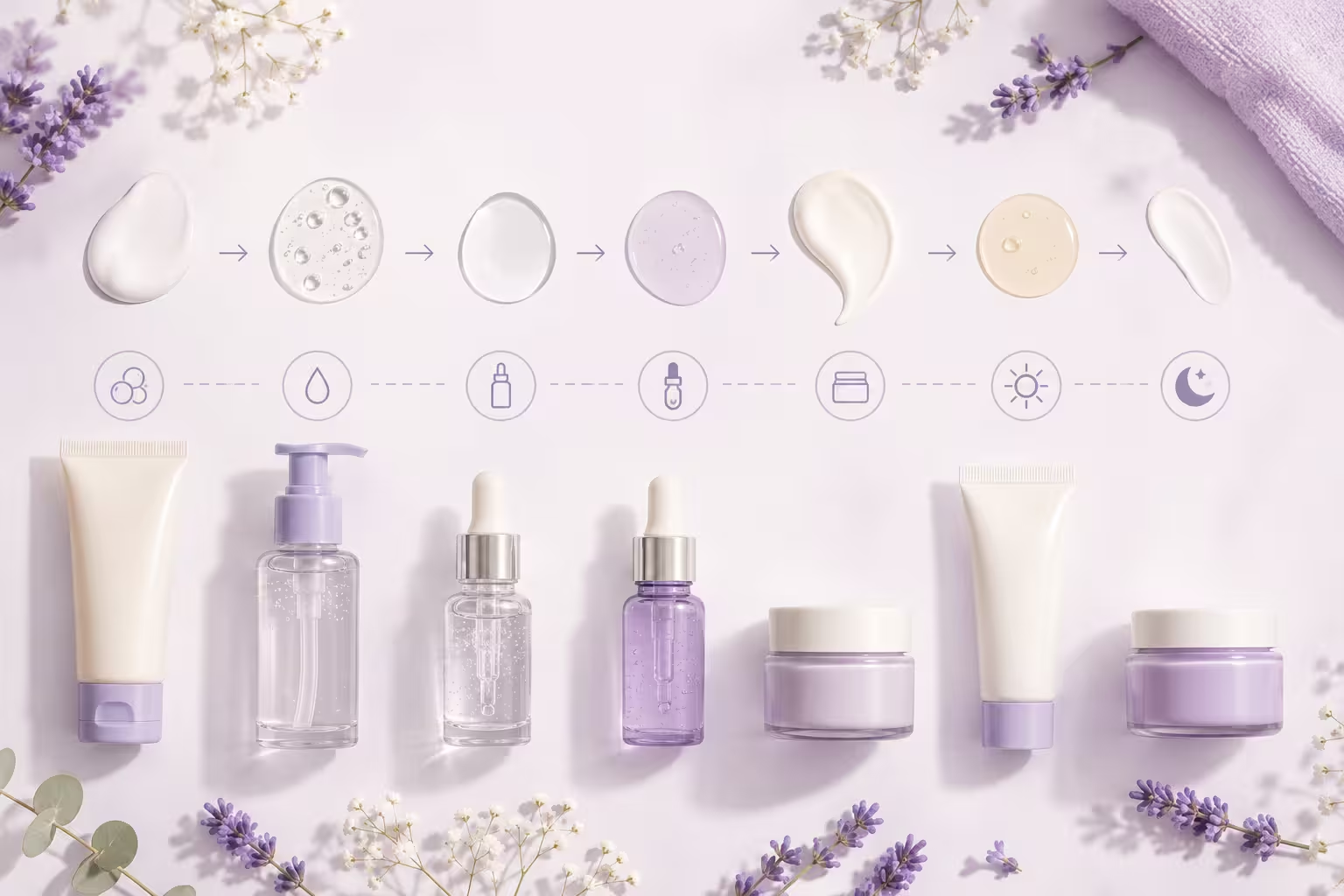
A simple rule is to move from lighter products to thicker products.
For example:
Cleanser → Serum → Moisturizer → Sunscreen
Sunscreen should be the final step of your morning skincare routine before makeup.
At night:
Cleanser → Treatment/Serum → Moisturizer
There can be exceptions depending on the specific products you’re using, so follow the manufacturer’s directions when they differ.
How Many Skincare Products Do Beginners Need?
You don’t need a large collection.
A basic routine can be built with just:
- 1 gentle cleanser
- 1 moisturizer
- 1 sunscreen
You can then add one targeted treatment if you have a particular concern.
For example, someone concerned about excess oil and post-acne marks might eventually add a niacinamide serum.
The goal is not to use as many products as possible. The goal is to create a routine that is effective, comfortable, and easy to maintain.
Common Skincare Mistakes Beginners Should Avoid
Using Too Many Products
Adding multiple active ingredients at once can irritate your skin.
Start with the basics.
Changing Products Too Frequently
Skincare often requires consistent use over time. Constantly switching products makes it difficult to know what is actually working.
Skipping Sunscreen
If pigmentation or signs of skin aging are concerns, daily sun protection is especially important.
Scrubbing the Skin Too Hard
Physical scrubbing can irritate the skin, particularly if you already have sensitive or acne-prone skin.
Copying Someone Else’s Routine
A skincare routine that works for one person may not work for another.
Skin type, sensitivity, climate, lifestyle, and specific concerns all matter.
Using High Concentrations Immediately
A stronger concentration isn’t automatically better. Beginners should generally prioritize tolerability and consistency.
How to Build a Simple Skincare Routine on a Budget
You don’t need expensive products to start skincare.
Prioritize the essentials:
Morning:
Cleanser → Moisturizer → Sunscreen
Night:
Cleanser → Moisturizer
Once these products work well for you, you can spend more on targeted treatments if you actually need them.
When shopping, look at the ingredient list and formulation rather than choosing a product only because it is expensive or popular.
How Long Does It Take to See Skincare Results?
The timeline varies depending on the product and the concern you’re trying to address.
Hydration and skin comfort may improve relatively quickly, while concerns such as acne, pigmentation, and uneven texture can require longer and more consistent use.
Avoid expecting overnight transformation.
A consistent routine followed for weeks and months is generally more useful than frequently changing products.
Should Beginners Use Retinol?
Retinoids can be effective for several skin concerns, but they are not essential for every beginner.
If you want to introduce a retinoid, start cautiously and follow the product’s directions. Using it too frequently can cause dryness and irritation.
During pregnancy, people should consult their healthcare professional about skincare ingredients and avoid topical retinoids unless specifically advised otherwise.
When Should You See a Dermatologist?
A basic skincare routine can help with everyday skin maintenance, but some concerns require professional advice.
Consider seeing a dermatologist if you have:
- Persistent or severe acne
- Painful or cystic breakouts
- Significant or worsening pigmentation
- A persistent rash
- Severe irritation
- Unexplained changes in your skin
- A skin concern that does not improve with basic skincare
A dermatologist can help identify the underlying problem and recommend appropriate treatment.
Frequently Asked Questions
What is the simplest skincare routine for beginners?
A simple routine is:
Morning: Cleanser → Moisturizer → Sunscreen
Night: Cleanser → Moisturizer
You can add a serum or treatment later if you have a specific concern.
Should I use skincare every day?
Consistency is important. A basic routine can generally be used every day, provided the products are suitable for your skin.
Can beginners use niacinamide?
Yes. Niacinamide is generally considered a versatile skincare ingredient and can be a good option for beginners when used in a well-formulated product.
Do I need toner?
No. Toner is optional. You can have an effective skincare routine without one.
Do I need an eye cream?
Not necessarily. Eye creams are optional, and a suitable moisturizer may be sufficient for basic hydration around the eye area.
Should I exfoliate every day?
No. Daily exfoliation is not necessary for most people and can cause irritation. If you use an exfoliating product, follow its instructions and consider your skin’s tolerance.
Final Thoughts
Building a skincare routine as a beginner doesn’t have to be complicated.
Start with the basics: a gentle cleanser, moisturizer, and sunscreen. Once your skin is comfortable with these products, you can introduce one targeted serum or treatment based on your specific concerns.
Most importantly, don’t feel pressured to follow a complicated 10-step routine. The best beginner skincare routine is one that suits your skin, fits your budget, and is simple enough to follow consistently.