How to Choose the Best Moisturiser for Your Skin Type
A good moisturiser is an important part of any skincare routine. It helps keep your skin hydrated and can support the skin barrier, but choosing the right one can be confusing with so many formulas and ingredients available.
The best moisturiser for you depends on your skin type, concerns, and personal preferences. In this guide, we’ll explain how to choose a moisturiser that works for your skin.
Why Is Moisturiser Important?
Moisturising helps reduce water loss from the skin and keeps it feeling soft and comfortable. A suitable moisturiser can also help support the skin barrier.
Even if you have oily or acne-prone skin, you don’t necessarily need to skip moisturiser. Instead, look for a lightweight formula that suits your skin.
Best Moisturiser for Oily Skin
If your skin becomes shiny quickly or feels greasy during the day, a lightweight moisturiser may work best.
Look for:
- Gel or gel-cream textures
- Lightweight, non-greasy formulas
- Humectants such as glycerin
- Ingredients that support the skin barrier
Avoid choosing a moisturiser solely because it is labelled “oil-free.” The overall formulation matters more than one label.
Best Moisturiser for Dry Skin
Dry skin often benefits from a richer moisturiser that helps reduce moisture loss and keeps the skin comfortable.
Look for ingredients such as:
- Ceramides
- Glycerin
- Hyaluronic acid
- Squalane
- Shea butter
Cream-based formulas may be more comfortable than very lightweight gels if your skin feels consistently dry.
Best Moisturiser for Sensitive Skin
If your skin is easily irritated, keep your routine simple.
Look for:
- Fragrance-free formulas
- Gentle ingredients
- Ceramides
- Glycerin
- Soothing ingredients
It’s also a good idea to introduce new skincare products gradually.
Best Moisturiser for Combination Skin
Combination skin can be both oily and dry, making moisturiser selection slightly tricky.
A lightweight lotion or gel-cream can be a good starting point. You can also adjust how much product you apply to different areas of your face depending on how your skin feels.
Different Types of Moisturisers
Gel Moisturisers
Gel moisturisers usually have a lightweight texture and can feel comfortable on oily or combination skin.
Lotion Moisturisers
Lotions have a lighter texture than many creams and can work well for normal or combination skin.
Cream Moisturisers
Creams tend to have a richer texture and may be useful for dry or dehydrated skin.
Balm Moisturisers
Balms are generally thicker and can provide a more occlusive feel. They may be useful when the skin needs extra protection from moisture loss.
Ingredients to Look For in a Moisturiser
Ceramides
Ceramides are lipids naturally found in the skin and play an important role in maintaining the skin barrier.
Glycerin
Glycerin is a humectant that helps attract water and is commonly found in hydrating skincare products.
Hyaluronic Acid
Hyaluronic acid is another humectant that can help attract and hold water in the skin.
Squalane
Squalane is an emollient that can help soften and smooth the skin.
How to Apply Moisturiser
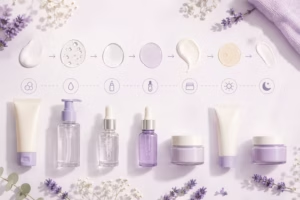
A simple routine is:
- Cleanse your face.
- Apply your serum or other treatment products if you use them.
- Apply moisturiser while your skin is slightly damp if comfortable.
- In the morning, finish with sunscreen.
You don’t need a large amount. Start with a small amount and add more if needed.
Common Moisturiser Mistakes
Using Too Much Product
More moisturiser doesn’t necessarily mean more hydration. Use an amount that comfortably covers your face without feeling excessively heavy.
Skipping Moisturiser Because You Have Oily Skin
Oily skin still needs hydration. Instead of skipping moisturiser, choose a lightweight formula.
Choosing Products Only Because They Are Trending
A popular product isn’t automatically the right product for your skin. Consider your skin type, ingredients, texture, and how your skin responds.
Frequently Asked Questions
Should oily skin use moisturiser?
Yes. Oily skin can still benefit from moisturisation. A lightweight formula may be more comfortable.
Should I apply moisturiser before sunscreen?
Yes. In a typical morning skincare routine, moisturiser comes before sunscreen.
Can I use the same moisturiser in the morning and at night?
Yes, if the moisturiser suits your skin and routine. You may also prefer a lighter moisturiser during the day and a richer one at night.
How often should I moisturise?
Most people can moisturise once or twice a day depending on their routine and skin needs.
Final Thoughts
The best moisturiser for your skin type is one that keeps your skin comfortable and hydrated without feeling excessively greasy, heavy, or irritating.
Instead of choosing a moisturiser based only on its popularity, consider your skin type, texture preferences, ingredients, and individual skincare needs.