Neutrogena Sunscreen Review: Is It Worth Buying?
Sunscreen is one of the most important steps in any skincare routine, but finding one that offers good sun protection without feeling heavy or greasy can be challenging. Neutrogena sunscreens are popular because they are widely available and come in formulas designed for different skin types.
But is Neutrogena sunscreen actually worth buying? Does it leave a white cast? Is it suitable for oily or acne-prone skin? And how does it feel after application?
In this Neutrogena sunscreen review, we’ll look at its texture, finish, sun protection, suitability for different skin types, pros and cons, and whether it’s worth adding to your routine.
What Is Neutrogena Sunscreen?
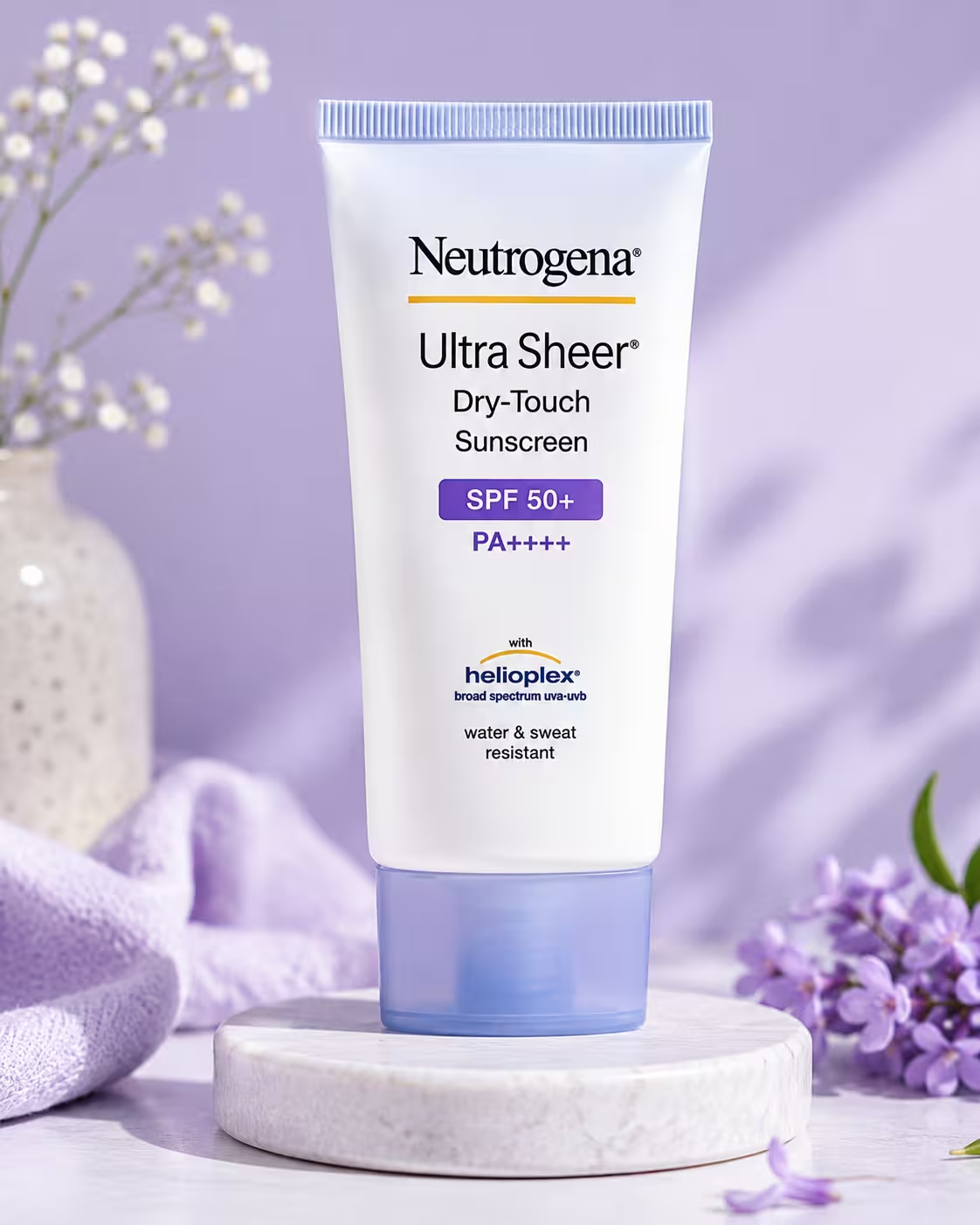
Neutrogena offers several sunscreen products with different textures and SPF levels. One of its well-known options is the Neutrogena Ultra Sheer Dry-Touch Sunscreen, which is designed to provide broad-spectrum UV protection while having a relatively lightweight, dry-touch finish.
Depending on the specific product, Neutrogena sunscreens can contain filters that protect against UVA and UVB rays.
Note: Sunscreen formulas can vary by country and product version, so always check the ingredient list and SPF/PA labeling on the product you purchase.
Neutrogena Sunscreen: My First Impression
The first thing you notice when applying a Neutrogena sunscreen is its relatively lightweight consistency compared with many traditional sunscreens.
It spreads easily across the skin and doesn’t require excessive rubbing to distribute it evenly.
The finish can vary depending on the specific Neutrogena sunscreen, but the Ultra Sheer range is generally designed to provide a dry-touch feel rather than a heavy, greasy finish.
Texture and Application
Is Neutrogena Sunscreen Lightweight?
For many users, one of the biggest advantages of Neutrogena sunscreen is its relatively lightweight feel.
It can be applied after moisturizer and before makeup. However, the experience can differ depending on your skin type and the particular formula.
If you have very dry skin, you may prefer applying a moisturizer underneath it because a dry-touch sunscreen may not provide enough hydration on its own.
Does Neutrogena Sunscreen Leave a White Cast?
This is one of the most common questions people ask when choosing sunscreen.
The amount of visible cast depends on the specific Neutrogena formula, the quantity applied, and your skin tone.
Some sunscreen formulas may leave a slight cast initially, which can become less noticeable after the product is spread and allowed to settle.
If avoiding white cast is your priority, look for a sunscreen specifically marketed as invisible or transparent and check reviews from people with a similar skin tone.
Finish: Matte or Dewy?
Neutrogena’s dry-touch formulas generally aim for a less greasy finish compared with many traditional cream sunscreens.
This can make them appealing to people who dislike the sticky feeling that some sunscreens leave behind.
However, “matte” doesn’t necessarily mean completely shine-free. Your final finish will also depend on your moisturizer, skin type, climate, and how much sunscreen you apply.
Is Neutrogena Sunscreen Good for Oily Skin?
It can be a good option for oily or combination skin, particularly if you prefer sunscreens that don’t feel excessively greasy.
However, oily and acne-prone skin can react differently to the same formula.
If your skin is prone to clogged pores, check the complete ingredient list and introduce any new sunscreen gradually.
Is It Suitable for Dry Skin?
If you have dry skin, Neutrogena’s dry-touch sunscreen may feel less moisturizing than a sunscreen with a richer or more hydrating texture.
A simple solution is to use a moisturizer underneath your sunscreen.
This can also help reduce any dryness or tight feeling you experience after application.
Is Neutrogena Sunscreen Suitable for Sensitive Skin?
This depends heavily on the specific formula.
People with sensitive skin should pay attention to the ingredient list, particularly if they know they react to fragrance or certain sunscreen filters.
Always patch-test a new skincare product when possible, especially if your skin is easily irritated.
Pros and Cons
Pros
- Widely available
- Easy to apply
- Offers broad-spectrum sun protection in applicable formulas
- Several sunscreen options are available
- Dry-touch formulas can feel comfortable on oily or combination skin
- Can be used as the final step of a morning skincare routine
Cons
- Some formulas may not suit very dry skin
- Finish can vary between products
- Possible white cast depending on the formula and skin tone
- Some people may experience irritation from particular ingredients
- The best formula depends on your individual skin type
Who Should Buy Neutrogena Sunscreen?
Neutrogena sunscreen may be worth considering if you:
- Want a widely available sunscreen
- Prefer a relatively lightweight texture
- Have oily or combination skin
- Don’t like extremely greasy sunscreens
- Want a sunscreen from an established skincare brand
However, choosing sunscreen should ultimately depend on UV protection, formulation, skin compatibility, and how consistently you can wear it.
Who Should Avoid It?
You may want to consider another formula if:
- Your skin is extremely dry and you prefer a moisturizing sunscreen
- You know you are sensitive to an ingredient in the formula
- You strongly dislike the texture or finish
- You experience irritation after application
A sunscreen isn’t a good sunscreen for you if you can’t comfortably wear enough of it every day.
How to Use Neutrogena Sunscreen Correctly
Using the right amount is just as important as choosing the right sunscreen.
Apply sunscreen as the last step of your morning skincare routine, after moisturizer.
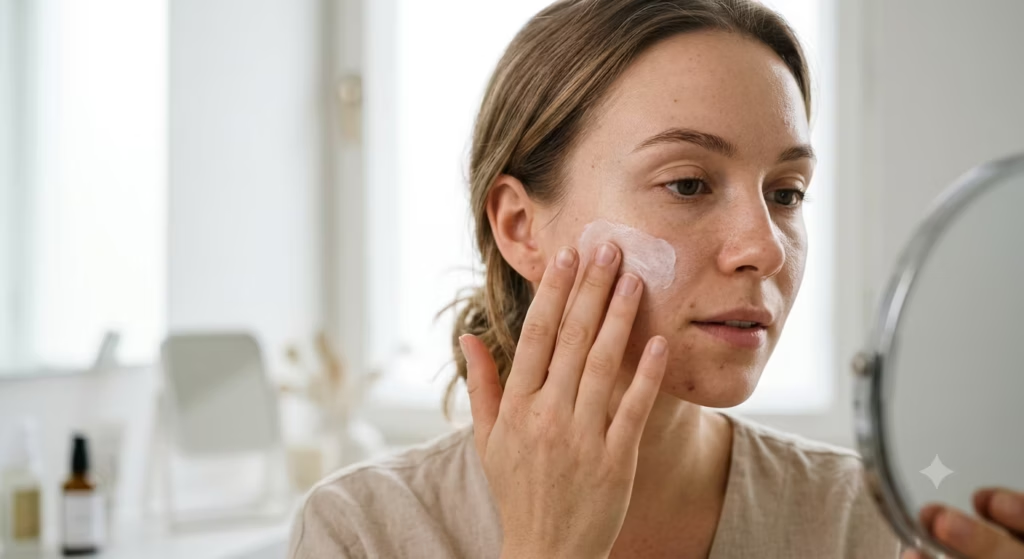
For the face, a commonly used practical guide is the two-finger method, although the exact amount needed depends on the area being covered.
Don’t forget commonly missed areas such as:
- Ears
- Neck
- Hairline
- Around the sides of the face
Reapply when appropriate, especially during prolonged outdoor exposure, sweating, or swimming, following the product’s instructions.
Neutrogena Sunscreen Review: Final Verdict
So, is Neutrogena sunscreen worth buying?
Overall, it can be a good everyday sunscreen option, particularly if you prefer a lightweight or dry-touch formula and can find a version that suits your skin.
Its biggest advantage is that Neutrogena provides several sunscreen choices rather than relying on one formula for everyone.
However, don’t choose a sunscreen solely because it is popular. Your skin type, sensitivity, preferred finish, and the specific formula matter.
Rating: 4/5
If you’re looking for an accessible everyday sunscreen and the particular Neutrogena formula works well with your skin, it can definitely be worth considering.
Frequently Asked Questions
Is Neutrogena Sunscreen Good for Daily Use?
Yes. Sunscreen is generally intended to be used daily when you are exposed to UV radiation. Choose a product with appropriate broad-spectrum protection and apply it correctly.
Is Neutrogena Sunscreen Good for Oily Skin?
Some Neutrogena formulas, particularly dry-touch options, may work well for oily or combination skin because they are designed to feel less greasy.
Does Neutrogena Sunscreen Cause Pimples?
There isn’t one answer for everyone. Skin can react differently to sunscreen ingredients. If you are acne-prone, check the ingredient list and monitor how your skin responds.
Does Neutrogena Sunscreen Have a White Cast?
The answer depends on the specific formula and your skin tone. Some formulations may leave more visible residue than others.
Can I Use Moisturizer Before Neutrogena Sunscreen?
Yes. Apply moisturizer first and allow it to settle before applying sunscreen.
Conclusion
Neutrogena sunscreen is a popular option for people looking for everyday sun protection. Its range of formulas makes it possible to choose a product based on your skin type and preferred finish.
If you prefer a lightweight sunscreen with a less greasy feel, a Neutrogena dry-touch formula may be worth trying. However, always check the specific product’s ingredients and SPF rating before purchasing.
The most important thing is to choose a sunscreen that provides suitable UV protection and that you can comfortably apply in the recommended amount every day.