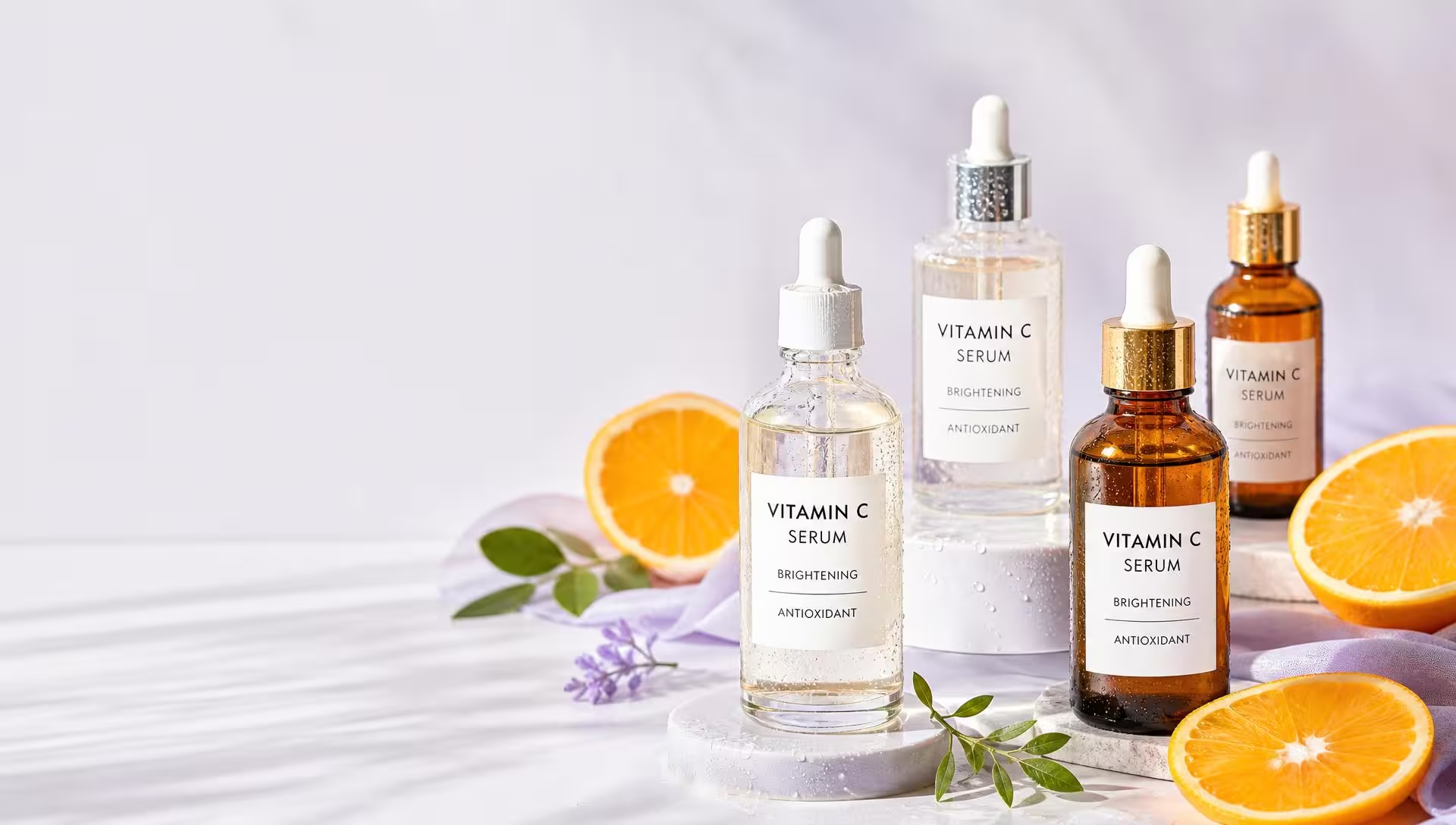
Best Vitamin C Serums for Brighter, Healthier-Looking Skin
Vitamin C serums have become a staple in many skincare routines, and for good reason. If your skin looks dull, feels uneven, or you’re dealing with the appearance of dark spots and post-acne marks, a good vitamin C serum can be a useful addition to your routine.
But with so many options available, choosing the right one can get confusing. Some formulas use pure vitamin C, while others use gentler vitamin C derivatives. Concentrations can also range from around 5% to 20% or more.
So, instead of choosing a serum simply because it has “vitamin C” written on the bottle, it’s worth looking at the formulation, concentration, packaging, and how well it suits your skin type.
What Does Vitamin C Serum Do?
Vitamin C is an antioxidant that helps protect the skin from oxidative stress caused by environmental factors. In skincare, it is mainly used to improve the appearance of dullness, uneven skin tone and dark spots.
With consistent use, a well-formulated vitamin C serum may help your skin look:
- Brighter and more radiant
- More even-toned
- Less dull
- Smoother
- More refined in appearance
It is important to remember that vitamin C is not an overnight solution. Results generally require consistent use and a little patience.
How to Choose the Best Vitamin C Serum
1. Check the Type of Vitamin C
The most well-known form is L-ascorbic acid, which is a potent form of vitamin C. However, it can also be more irritating and less stable than some vitamin C derivatives.
If your skin is sensitive or you’re new to vitamin C, you may prefer a gentler derivative such as sodium ascorbyl phosphate, magnesium ascorbyl phosphate or 3-O-ethyl ascorbic acid.
2. Consider the Concentration
More vitamin C doesn’t automatically mean better results.
For beginners, a lower concentration may be easier to introduce into a skincare routine. Higher concentrations can be useful for experienced users but may increase the possibility of irritation, particularly if your skin is sensitive.
3. Pay Attention to the Packaging
Vitamin C, especially L-ascorbic acid, can degrade when exposed to light, heat and air.
Look for products packaged in opaque or dark-colored, preferably airtight containers. Always follow the brand’s storage instructions.
4. Think About Your Skin Type
Oily or acne-prone skin: Look for lightweight, non-greasy formulas.
Dry skin: A vitamin C serum combined with hydrating ingredients such as hyaluronic acid or glycerin may feel more comfortable.
Sensitive skin: Consider a gentler vitamin C derivative and a lower concentration.
Dull or uneven skin: Vitamin C can be particularly useful when your main concern is lack of radiance or uneven-looking skin tone.
Best Vitamin C Serums to Consider
Rather than assuming one serum works for everyone, consider what you’re actually trying to improve.
For Beginners
A lower-strength vitamin C serum or a formula using a gentler derivative can be a good starting point. This allows you to see how your skin responds before moving to stronger formulations.
For Dark Spots and Uneven Tone
Look for a well-formulated vitamin C product designed specifically for brightening and pair it with daily sunscreen. Vitamin C can complement your sun-protection routine, but it does not replace sunscreen.
For Sensitive Skin
A gentle vitamin C derivative may be a better option than jumping straight into a high-strength L-ascorbic acid serum.
For Dull Skin
A lightweight antioxidant serum can be a simple way to add a brightening step to your morning routine.
How to Use Vitamin C Serum
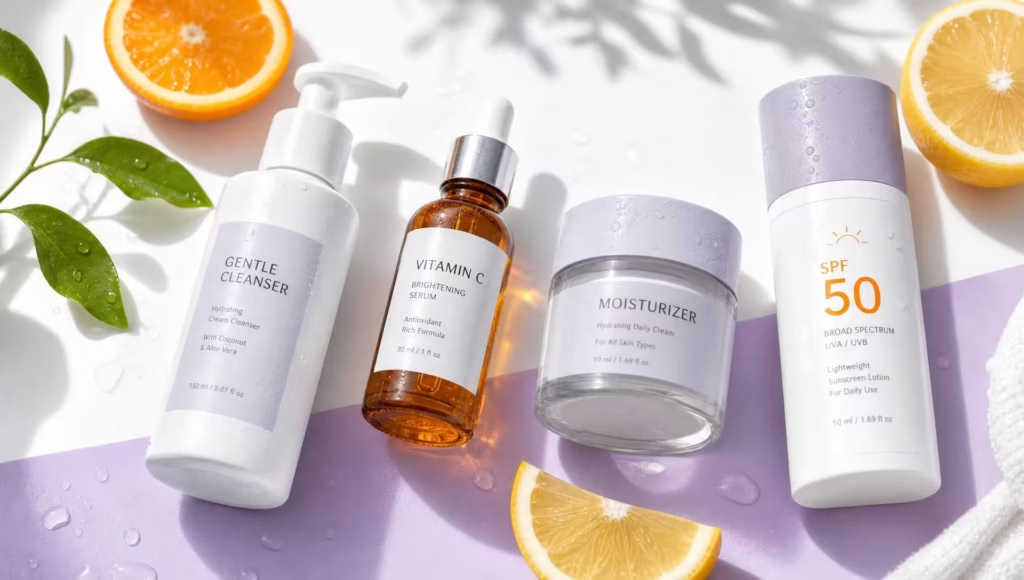
Vitamin C is commonly used in the morning after cleansing and before moisturizer and sunscreen.
A simple routine can look like:
Cleanser → Vitamin C serum → Moisturizer → Sunscreen
Start slowly if you’re new to the ingredient. Using it a few times a week initially can help you understand how your skin reacts.
And don’t skip sunscreen. If you’re specifically trying to improve the appearance of pigmentation or dark spots, consistent sun protection is one of the most important parts of the routine.
Can You Use Vitamin C Every Day?
Many people can eventually use vitamin C daily, but it depends on the specific formula and your skin’s tolerance.
If you notice persistent burning, redness, itching or irritation, reduce how often you use the product or stop using it and reassess your routine.
You also don’t need to combine several strong active ingredients at once. A simple routine that you can consistently follow is often easier on the skin.
Vitamin C Serum: What to Expect
Vitamin C is best viewed as a long-term skincare ingredient, rather than a quick fix.
You may notice a fresher or brighter appearance with regular use, while concerns such as uneven tone and the appearance of dark spots can take longer to improve.
Consistency matters more than constantly switching between products.
Final Thoughts
The best vitamin C serum isn’t necessarily the most expensive or the one with the highest percentage. The right choice depends on your skin type, sensitivity, skincare goals and the overall formulation.
If you’re new to vitamin C, start with a gentle formula, introduce it gradually and always finish your morning routine with sunscreen.