Toner Reviews: Best Face Toners for Every Skin Type
A toner can be a useful addition to a skincare routine, but choosing the right one can be confusing. With so many toners available, it can be difficult to know which formula is suitable for oily, dry, sensitive, or acne-prone skin.
Some toners focus on hydration, while others contain exfoliating ingredients designed to improve the appearance of clogged pores and uneven texture.
Our toner reviews guide will help you understand the different types of toners and what to look for before adding one to your routine.
Whether you want extra hydration, gentle exfoliation, or a refreshing step after cleansing, choosing a toner based on your skin’s needs is more important than following trends.
What Is a Face Toner?
A face toner is a lightweight skincare product that is usually applied after cleansing.
Modern toners can have different purposes. Unlike traditional alcohol-heavy toners, many newer formulas are designed to hydrate, soothe, exfoliate, or support the skin barrier.
Common toner ingredients include:
- Hyaluronic acid for hydration
- Glycerin for moisture
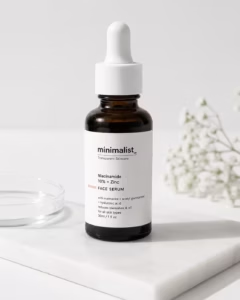
- Niacinamide for oil control and overall skin appearance
- Salicylic acid for blemish-prone skin
- Lactic acid for gentle exfoliation
- Centella asiatica for soothing skincare routines
The best ingredient depends on your skin type and the concern you want to address.
How We Review Face Toners
When comparing products for our toner reviews, we look at several factors rather than focusing only on the ingredient list.
Ingredients
Ingredients help determine what a toner is designed to do. Look for formulas that match your skin’s needs.
Texture
Most toners are lightweight and watery, but some have a slightly thicker, essence-like texture.
Choose a texture that feels comfortable and fits easily into your routine.
Hydration
If your skin feels tight or dry after cleansing, a hydrating toner may provide an additional layer of moisture.
Exfoliation
Some toners contain exfoliating acids such as salicylic acid, glycolic acid, or lactic acid.
These products need to be introduced carefully to avoid unnecessary irritation.
Skin Type
A toner formulated for oily skin may not feel the same on dry or sensitive skin.
Always consider your skin type before purchasing.
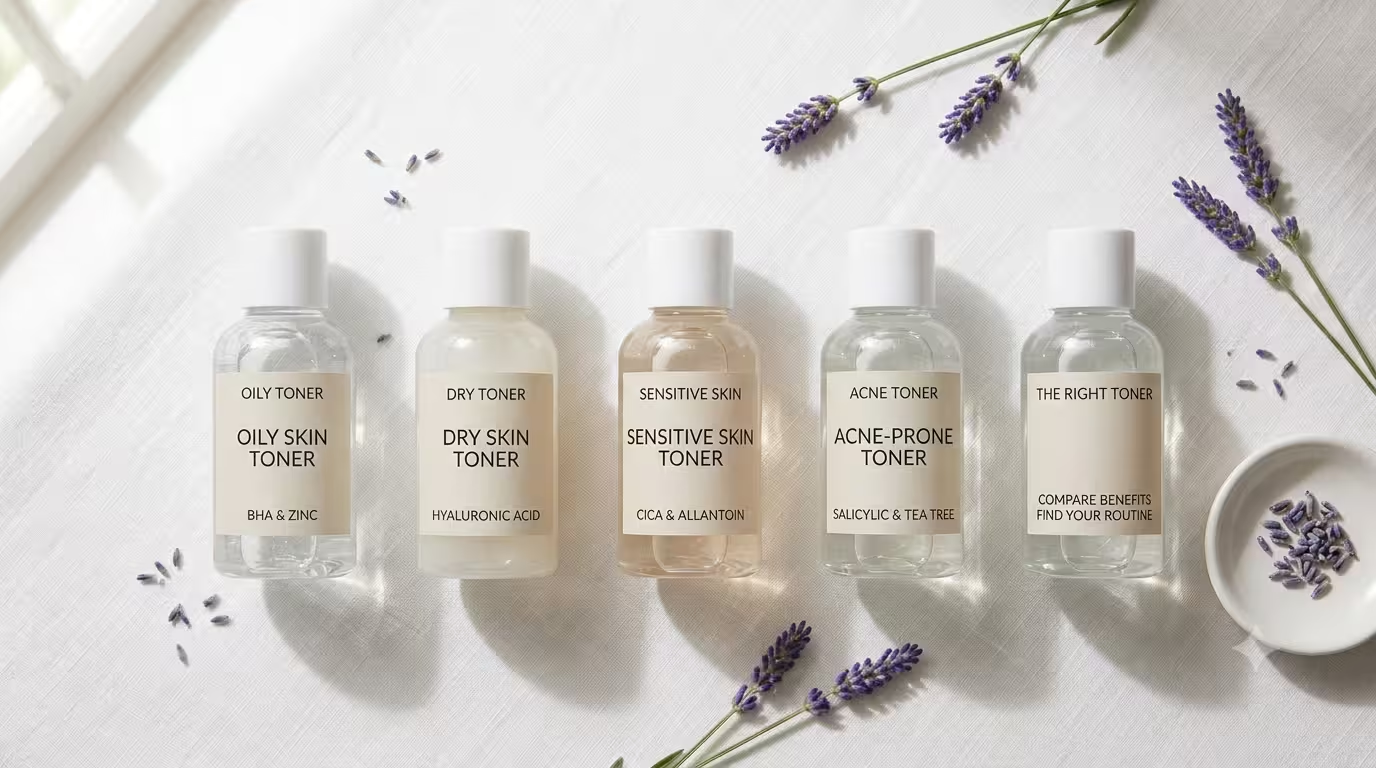
Toner Reviews for Different Skin Types
Toner for Oily Skin
Oily skin may benefit from a lightweight toner that does not leave a heavy or greasy feeling.
Ingredients such as niacinamide or salicylic acid are commonly found in toners designed for oily or blemish-prone skin.
A toner with salicylic acid may help exfoliate and remove dead skin cells from within pores.
Our tip: If you already use other exfoliating products, avoid adding several exfoliating products to your routine at the same time.
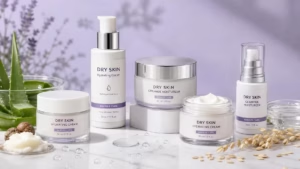
Toner for Dry Skin
Dry skin often benefits from a hydrating toner rather than a strong exfoliating formula.
Look for ingredients such as:
- Hyaluronic acid
- Glycerin
- Panthenol
- Aloe vera
- Ceramides
A hydrating toner can add an extra layer of moisture before your serum and moisturizer.
Our tip: Apply your toner gently with your hands instead of rubbing your skin aggressively with a cotton pad.
Toner for Sensitive Skin
Sensitive skin may be more prone to irritation, so a simple and gentle toner can be a better choice.
Look for products without ingredients that you already know irritate your skin.
Soothing ingredients such as centella asiatica, panthenol, and aloe vera are commonly used in gentle skincare formulas.
Our tip: Patch-test new products and introduce them gradually.
Toner for Acne-Prone Skin
If you have acne-prone skin, you may prefer a toner containing ingredients such as salicylic acid or niacinamide.
Salicylic acid is a BHA that can help exfoliate the skin and is commonly used in products designed for blemish-prone skin.
However, using too many exfoliating products can leave your skin dry or irritated.
Our tip: Start with a lower frequency and increase use only if your skin tolerates the product well.
Popular Types of Face Toners
Hydrating Toner
Hydrating toners are designed to provide additional moisture and make the skin feel more comfortable.
They are often formulated with humectants such as glycerin and hyaluronic acid.
Best suited for: Dry, dehydrated, and normal skin.
Niacinamide Toner
Niacinamide is a versatile skincare ingredient often used in products targeting excess oil, uneven-looking skin tone, and visible pores.
Best suited for: Oily, combination, and normal skin.
Salicylic Acid Toner
Salicylic acid toners are exfoliating products commonly used by people with oily and blemish-prone skin.
Because they contain an active exfoliating ingredient, they should not necessarily be used as frequently as a basic hydrating toner.
Best suited for: Oily and acne-prone skin.
AHA Toner
AHAs such as glycolic acid and lactic acid exfoliate the skin’s surface.
They are commonly used to improve the appearance of uneven texture and dullness.
Best suited for: Dull or uneven-looking skin, depending on individual tolerance.
Soothing Toner
Soothing toners focus on providing a comfortable, calming step after cleansing.
Ingredients such as centella asiatica, aloe vera, and panthenol are commonly found in these formulas.
Best suited for: Sensitive or easily irritated skin.
Toner Comparison Checklist
Before buying a toner, consider these factors:
| Feature | What to Consider |
|---|---|
| Skin type | Oily, dry, combination, sensitive, or normal |
| Main concern | Hydration, oil, texture, or blemishes |
| Ingredients | Choose ingredients that match your concern |
| Texture | Watery, gel-like, or essence-like |
| Exfoliation | Check for AHAs or BHAs |
| Irritation | Consider your skin’s sensitivity |
| Routine | Avoid unnecessary ingredient overlap |
| Price | Choose a product that fits your budget |
Common Toner Mistakes to Avoid
Using toner because you think you have to
Toner is optional. A good cleanser, moisturizer, and sunscreen can form the foundation of a simple skincare routine.
Choosing an alcohol-heavy toner
Some people may find high amounts of drying alcohol uncomfortable, especially if their skin is already dry or sensitive.
Always check the complete ingredient list rather than judging a product only by its marketing claims.
Over-exfoliating
Using an exfoliating toner alongside several other active products can increase the risk of irritation.
Rubbing the skin aggressively
Your skin does not need vigorous rubbing. Apply toner gently using clean hands or a soft cotton pad, depending on the product instructions.
Using too many skincare products
Adding multiple toners, serums, and exfoliants does not necessarily produce better results.
A simple routine can often be easier to maintain.
How to Use a Face Toner
A basic skincare routine can look like this:
Morning:
Cleanser → Toner → Serum → Moisturizer → Sunscreen
Evening:
Cleanser → Toner → Serum → Moisturizer
However, the exact order can vary depending on the products you use.
If your toner contains exfoliating acids, follow the manufacturer’s instructions and avoid combining too many potentially irritating active ingredients.
Do You Really Need a Toner?
No, toner is not an essential skincare step for everyone.
If your current routine already cleanses, moisturizes, and protects your skin effectively, you may not need a toner.
However, the right toner can be useful if you want additional hydration or a targeted ingredient in your routine.
The key is choosing a toner based on your actual skincare needs.
Final Verdict: Which Toner Should You Choose?
There is no single best face toner for everyone.
For dry or dehydrated skin, a hydrating toner may be the most comfortable choice. Oily or acne-prone skin may benefit from a toner containing niacinamide or salicylic acid. Sensitive skin may prefer a simple soothing formula.
Before purchasing, check the ingredients, consider your skin type, and think about what you want the toner to achieve.
A toner should complement your skincare routine rather than make it unnecessarily complicated.

Frequently Asked Questions About Face Toners
Is toner necessary in a skincare routine?
No. Toner is an optional skincare step. Whether you need one depends on your skin type, concerns, and personal preference.
Which toner is best for oily skin?
A lightweight toner containing ingredients such as niacinamide may be suitable for oily skin. Salicylic acid toners can also be useful for some people with oily or blemish-prone skin.
Can dry skin use toner?
Yes. Dry skin may benefit from a hydrating toner containing ingredients such as glycerin, hyaluronic acid, or panthenol.
Can toner cause acne?
A toner itself does not automatically cause acne, but individual products may not suit everyone. Heavy, irritating, or unsuitable formulas can potentially cause problems for some users.
Can I use toner every day?
It depends on the formula. Hydrating toners may be suitable for daily use, while exfoliating toners containing acids may need to be used less frequently.
Should I use toner before serum?
Generally, toner is applied after cleansing and before serum. However, always follow the directions for your specific product.
Final Thoughts
The right toner can be a useful addition to your skincare routine, but choosing one should start with your skin’s needs.
Whether you are looking for hydration, gentle exfoliation, oil control, or a soothing formula, focus on the ingredients and how your skin responds.
We hope these toner reviews help you compare different formulas and find a toner that fits your routine.
Remember, skincare does not need to be complicated. Choose products that serve a purpose and use them consistently.